
Most habits don’t fail because we don’t care. They fail because life gets loud.
You start strong, excited, disciplined, convinced this time you’ll stick to it. Then a busy week, a sleepless night, or a handful of interruptions shows up, and the new routine slowly fades. Motivation evaporates, guilt creeps in, and you wonder what went wrong.
This isn’t about willpower. It’s about design, awareness, and forgiveness. Here’s why habits fade, how distractions quietly break routines, and a simple, practical framework you can use to keep good habits alive — even on your worst days.
Why Habits Fade After a Good Start
The Novelty Gap. At first, a new habit feels exciting. Your brain rewards novelty. But when the “new” wears off and results aren’t instant, the reward signal dims. What felt motivating becomes ordinary, and your effort starts to feel “not worth it.”
Identity Mismatch. We try to change actions while keeping the same self-image. If you think “I’m not a morning person,” a 6 a.m. habit feels foreign — like wearing an itchy sweater. Over time, your brain nudges you back to what feels like “you.”
The Latent Habit Trap. New behaviors compete with old ones. Under stress or time pressure, your brain defaults to the deeper, older pathways. That’s why a busy Tuesday can undo a month of progress.
How Distractions Quietly Break Routines

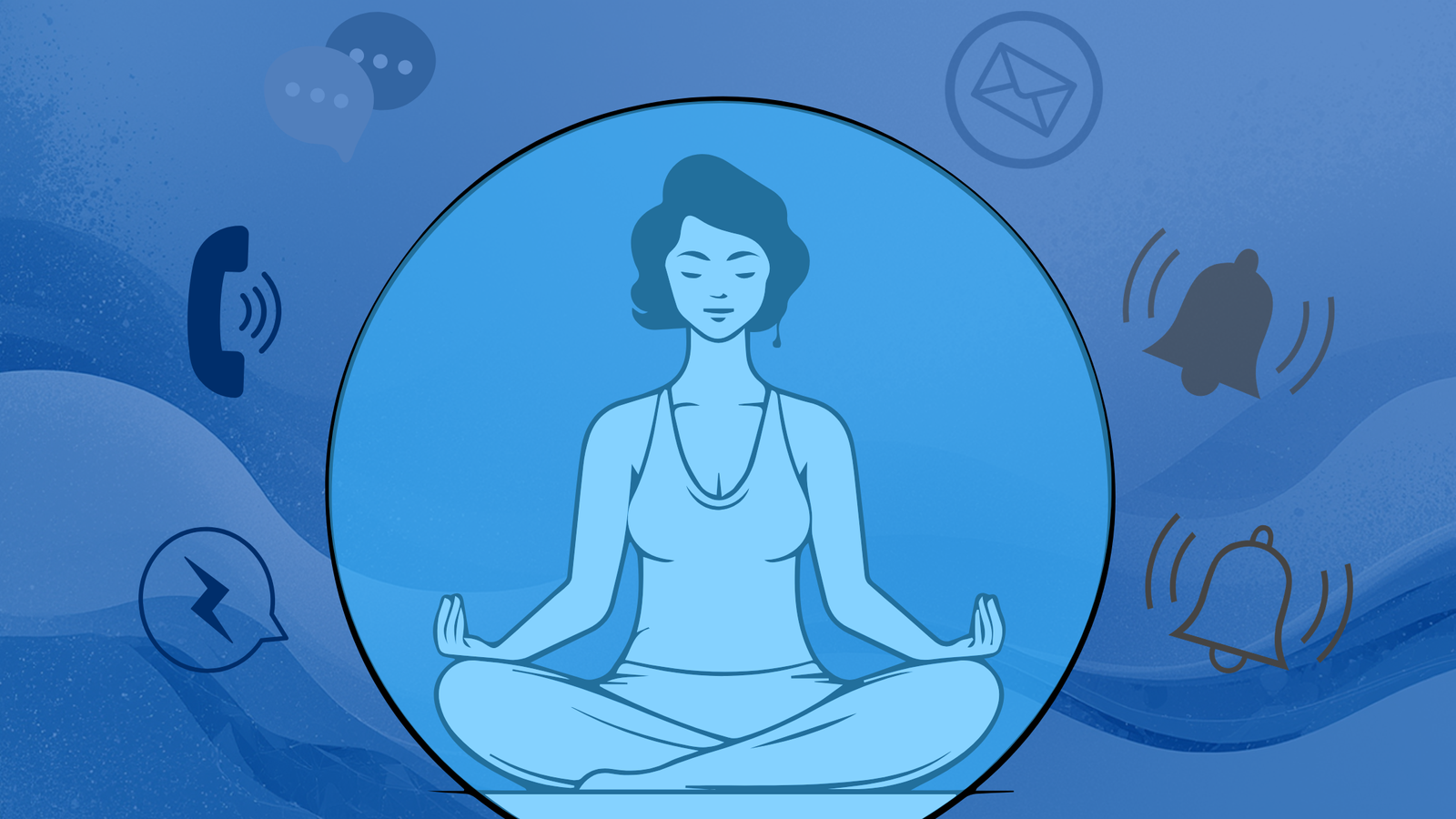
Attention residue. A notification or interruption doesn’t just steal a moment — it leaves residue. It can take ~20 minutes to fully refocus after a distraction. Your “short check” becomes a slow leak in your attention tank.
The dopamine loop. Pings and infinite feeds give variable rewards that rewire your brain to crave novelty. Steady, slower rewards from real habits start to feel boring in comparison.
Context instability. Habits live in context. A messy desk, a phone on the nightstand, or working from a new place can silently undo your cues and trigger old behaviors.
Reframe: It’s Not You — It’s Biology
Shame is a poor basis for change. If a habit fails, it doesn’t mean you’re weak. Your brain is doing its job: saving energy, seeking familiar safety, and responding to immediate rewards. The fix isn’t tougher self-talk — it’s smarter design.
A Simple Framework to Protect Your Focus (Doable in Real Life)
These are practical steps you can apply today. They’re designed for real life — not your best day.
1. Reduce friction — design for your worst day (The 2-Minute Rule)
Make the habit so small it’s “too easy to fail.”
Example: Instead of committing to 30 minutes of yoga, commit to putting on your yoga pants and stretching for two minutes. If you can do more, great. If not, you still showed up.
2. Anchor the habit to a rock-solid routine (Habit Stacking)
Link a new habit to something you already do automatically.
Example: After I pour my first cup of coffee, I will write one sentence in my journal. Anchors turn vague wishes into specific cues.
3. Architect your environment (Make the right choice easily)
Design your space so the good option is the obvious one.
Examples: Put your book on your pillow, leave water in a visible bottle, hide snacks in an opaque cabinet. Visual cues beat willpower every time.
4. Build a “Scale B” for the worst day (The Worst-Day Design)
Create a minimal version of the habit for when life is messy.
Example: If 30 minutes of study is impossible, do 5 focused minutes. Keeping the streak alive matters more than duration.
5. Use the Rule of Forgiveness — “Never Miss Twice.”
Missing one day is an accident; missing two is a pattern. Forgive the first slip, analyze why it happened, then start again immediately. This prevents the all-or-nothing spiral.
6. Track progress visually (Streaks > Motivation)
Mark days on a calendar or use a simple tracker. Seeing a chain of small wins is powerful and gently compels you to continue.
Quick Examples That Work
- Want to read more? Put a book on your pillow and read one page before bed.
- Want to move more? Lay out workout clothes the night before; commit to two minutes of movement on tired days.
- Want to journal? Keep a pen and small notebook by the kettle; write one line while the kettle boils.
Why This Feels Easier — And More Real
You’re not being asked to become someone else. You’re being asked to change the context so your brain doesn’t have to fight itself. That’s the whole point: environment over willpower, design over guilt.
If you’ve read the earlier posts in this mini-series, this piece ties them together: small daily actions (Post 1) lead to routine consistency (Post 2), which, when designed for real life, support long-term sustainability (Post 3). This is intentional, not random.
Closing Reflection
Habits don’t need to be protected perfectly. They need space to exist.
Give your routines simple architecture, built-in forgiveness, and a “worst-day” plan. Protect your attention by reducing friction and removing counter-cues. Track the tiny wins, and treat slips as data, not proof you’ve failed.
Progress returns faster than you think when you stop fighting your biology and start designing around it.
One small, kind step at a time.
Tools That Can Support Your Habit System
Then briefly mention each tool in 2–3 lines:
Habit Tracker Journal
If you benefit from visual progress, a simple habit tracker can reinforce consistency through visible streaks.
Minimalist Timer
A distraction-free timer can help protect focused sessions without the pull of notifications.
Book on Habit Science(Atomic Habits)
If you want a deeper understanding, a well-researched book on habit psychology can strengthen your long-term mindset.
Affiliate & Links Notice
This post may contain affiliate links to products and tools I use and recommend. If you purchase through these links, I may earn a small commission at no extra cost to you. I only link to things I’ve researched or used myself.
Disclaimer
This article is for educational and informational purposes only and does not constitute medical, mental health, or professional advice. If you have specific health concerns, consult a qualified professional.